






Introduction
If you’ve ever gone down a keyword rabbit hole while doing competitor research (we’ve all been there), you’ve probably stumbled across some oddballs. And that’s exactly how sosoactive education tends to pop up — weirdly intriguing, oddly specific, and kind of begging the question: What on earth does this even mean? When I first saw it, I had the same reaction you’d have if someone handed you a half-solved puzzle. You can see the edges, but the picture? Not quite there yet.
As I dug in, talked to a few educators, scrolled through forums, and connected the dots, something interesting happened. This strange little keyword revealed a surprising amount about how education trends evolve, how brands influence the learning landscape, and how certain phrases sneak into SEO ecosystems without the general public even noticing. And honestly? The story behind sosoactive education says a lot more about us — and how we learn — than it does about the keyword itself.
What Exactly Is “Sosoactive Education”?
Let’s rip the bandage off: sosoactive education isn’t a mainstream educational philosophy, nor is it an academically recognized term like active learning or project-based instruction. Instead, it appears to be a brand-driven or coined phrase that somehow got swept into the SEO tide.
That doesn’t mean it’s useless. Far from it.
What it does represent is a peek into how modern education labels itself: energetic, dynamic, “active,” and always “something-hyphen-something.” These buzz terms are everywhere because they tap into what parents, teachers, and learners want — an education that feels alive, relevant, and yes, active.
But when we peel things back, the keyword inadvertently points toward a bigger theme: how “active” learning philosophies are shaping the future of education.

Active Learning: The Real Concept Behind the Keyword
Even if sosoactive education isn’t a standard term, it sits in the same neighborhood as one that is hugely important: active learning.
Active learning is exactly what it sounds like — a method where students don’t just sit back and listen. They:
- Debate ideas
- Solve problems
- Work in groups
- Reflect, collaborate, question, build, test, fail, try again
It’s a hands-on, brain-switched-on approach that’s been growing rapidly thanks to both research and real-world classroom results.
And if you think back to your own schooling, you probably remember active learning moments far more vividly than textbook memorization. Like that time your science teacher made you build a wobbly baking-soda volcano, or the group debate where everyone argued way too passionately about Macbeth’s motives.
Those moments stuck because active learning works.
Why the Term “Sosoactive Education” Even Exists
So why did this keyword bubble up in the first place? A few reasons:
1. Brand Influence
Some education or lifestyle brands use “Sosoactive” as part of their identity. Over time, Google scrapes and indexes these phrases, blending them into unexpected keyword combinations.
2. SEO Drift
Sometimes keywords that don’t belong together get connected simply because they appear on the same page. It’s like Google accidentally overhearing a conversation and thinking the two topics are best friends.
3. Misinterpretation of “Active Education”
If someone, somewhere, wrote something like “so-so active education” in a casual or critical tone, algorithms might have mashed it into a keyword people now find in tools.
And honestly? That’s part of the fun of SEO. Sometimes the strangest keywords open the door to surprisingly rich topics — like the evolution of modern learning.
Is “Sosoactive Education” a Trend or Just Noise?
Let’s be blunt: most of the time it’s noise.
But sometimes, noise tells you where a trend is being whispered before it becomes a shout.
It’s similar to hearing a half-finished sentence like:
“Education today needs to be more… well, you know, active.”
Even if the phrase is messy, the meaning is clear — people want engaging learning models.
So while sosoactive education isn’t a trend itself, it points toward concepts that definitely are.
And that makes it worth understanding.

What People Might Actually Be Searching For
Here’s where things get interesting. Users who land on pages containing “sosoactive education” are often exploring topics like:
- The benefits of active learning
- Modern teaching methods
- Student engagement techniques
- Project-based learning
- Interactive classroom tools
- Education brands offering activity-based programs
Basically, they’re hungry for content that explains how to make learning more alive — not more “so-so.”
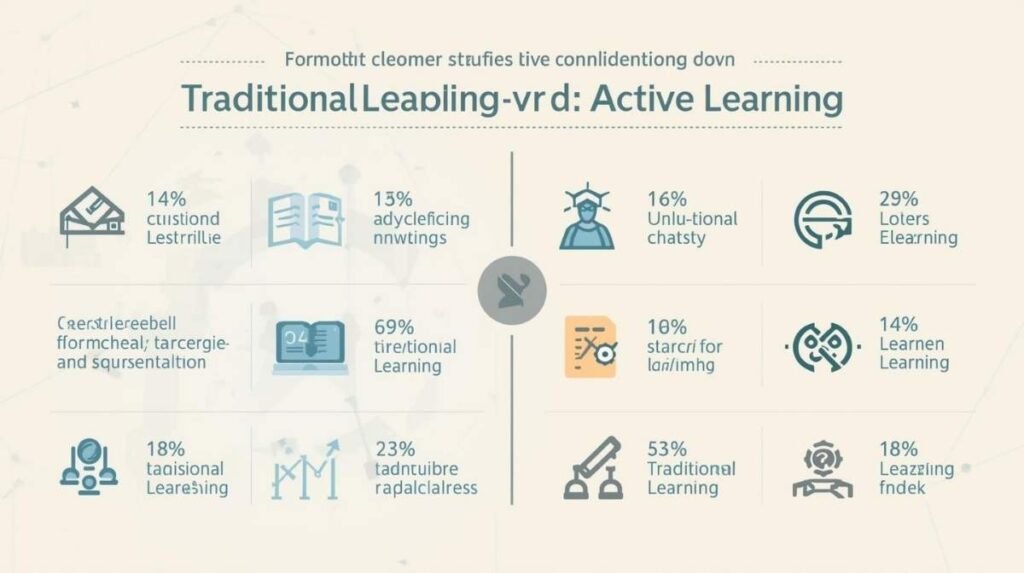
A Quick Comparison: Active Learning vs. Traditional Learning
To ground this in something practical, here’s a simple table that shows what people actually mean when they talk about active learning (which “sosoactive education” hints at).
| Aspect | Traditional Learning | Active Learning |
|---|---|---|
| Student Role | Passive listener | Active participant |
| Teacher Role | Lecturer / information giver | Facilitator / guide |
| Typical Activities | Note-taking, listening | Debates, projects, problem-solving |
| Engagement Level | Moderate to low | High |
| Knowledge Retention | Lower | Stronger |
| Real-World Application | Limited | Frequent |
| Example | Textbook chapter reading | Designing a mini-business in class |
This contrast shows why terms like sosoactive education might appear — people are searching for models that break free from “sit and listen” schooling.
Where the Concept Shows Up in Real Life
Even if the keyword is odd, the idea behind it shows up everywhere:
1. In Classrooms
Teachers use active strategies like:
- Learning stations
- Group design challenges
- Interactive quizzes
- Real-case simulations
2. In Online Learning
EdTech tools offer:
- Gamified modules
- Peer collaboration rooms
- Interactive timelines
- Real-time feedback
3. In Corporate Training
Professionals practice:
- Scenario roleplays
- Micro-learning
- Team problem-solving sessions
So while “sosoactive education” might not be the right phrase, the world is absolutely moving toward education that’s lively, engaged, and (dare I say it?) actually fun.
Why Parents and Students Gravitate Toward Active Learning
Let’s be honest — nobody wants education that feels like a boring lecture that never ends. Parents want their kids to be excited about learning, not zoning out by page five of the textbook.
Active learning:
- builds confidence
- improves communication
- strengthens problem-solving
- encourages deeper understanding
- makes learning feel real
This explains why people search for anything even close to this concept — even if the phrase is messy, the intention is clear.
So… Should You Care About “Sosoactive Education”?
In short?
Yes — but not because the term itself is valuable.
You should care because it points toward:
- trends in modern pedagogy
- what your audience is curious about
- gaps in content your competitors might be overlooking
- opportunities to explain active learning concepts in fresh ways
It’s like finding a clue that guides you toward a bigger conversation.
And if you create content about the real issue — active, engaging education — readers will appreciate that clarity.
Practical Examples of Active Learning in Action
Here are a few real-world scenarios where the spirit behind “sosoactive education” comes to life:
Example 1: The Silent Debate
A teacher writes a controversial question on the board. Students debate silently using sticky notes, building on each other’s ideas.
Low pressure. High engagement.
Example 2: Build Your Own Country
In a geography class, students design a fictional country, complete with economy, culture, and infrastructure.
Suddenly geography feels like world-building.
Example 3: The Error Hunt
Instead of giving students perfect examples, a teacher hands out worksheets full of intentional mistakes. Students fix them together.
It’s fun. It’s collaborative. It’s oddly addictive.
These are the kinds of experiences people remember long after the exam.
The Keyword’s Hidden Lesson
“Sosoactive education” reminds us that education isn’t just about terms, trends, or perfectly defined frameworks. Sometimes it’s about the feeling people are searching for.
A sense of energy.
A spark.
A learning environment that feels alive rather than so-so.
And honestly?
That might be the most important part.
Conclusion
At the end of the day, the keyword sosoactive education may not be a polished or widely recognized term, but it serves as a window into what learners and educators crave. People want experiences that feel dynamic and meaningful — not just another hour spent staring at a whiteboard. And if you’ve ever witnessed the difference between a passive classroom and an active one, you know exactly how transformative that shift can be.
So yes, the keyword itself is quirky — maybe even a little confusing — but the message behind it is crystal clear: the world is moving toward learning that’s vibrant, engaging, and undeniably human. And whether you’re a blogger, educator, parent, or lifelong learner, understanding that shift gives you a meaningful edge in a landscape that’s changing fast.
FAQ: “Sosoactive Education”
1. Is “sosoactive education” a real academic term?
Not officially. It appears to be a brand-related or coined phrase that got picked up in SEO tools.
2. Does it relate to active learning?
Yes — indirectly. Most people searching this term are likely looking for concepts around active or experiential learning.
3. Should I use the term in my own educational materials?
Only if you’re explaining it or analyzing why it appears. It’s not a widely understood phrase.
4. Is active learning more effective than traditional learning?
Generally yes. Studies show higher engagement, retention, and understanding.
5. Why do strange keywords like this appear online?
Because search engines index terms from brand pages, blogs, offhand comments, and mixed content — sometimes creating unexpected keyword combinations.
Read more captivating content and uncover fascinating insights on USA Technology Press




3 thoughts on “The Surprising Truth About ‘Sosoactive Education’ That May Shock You”